

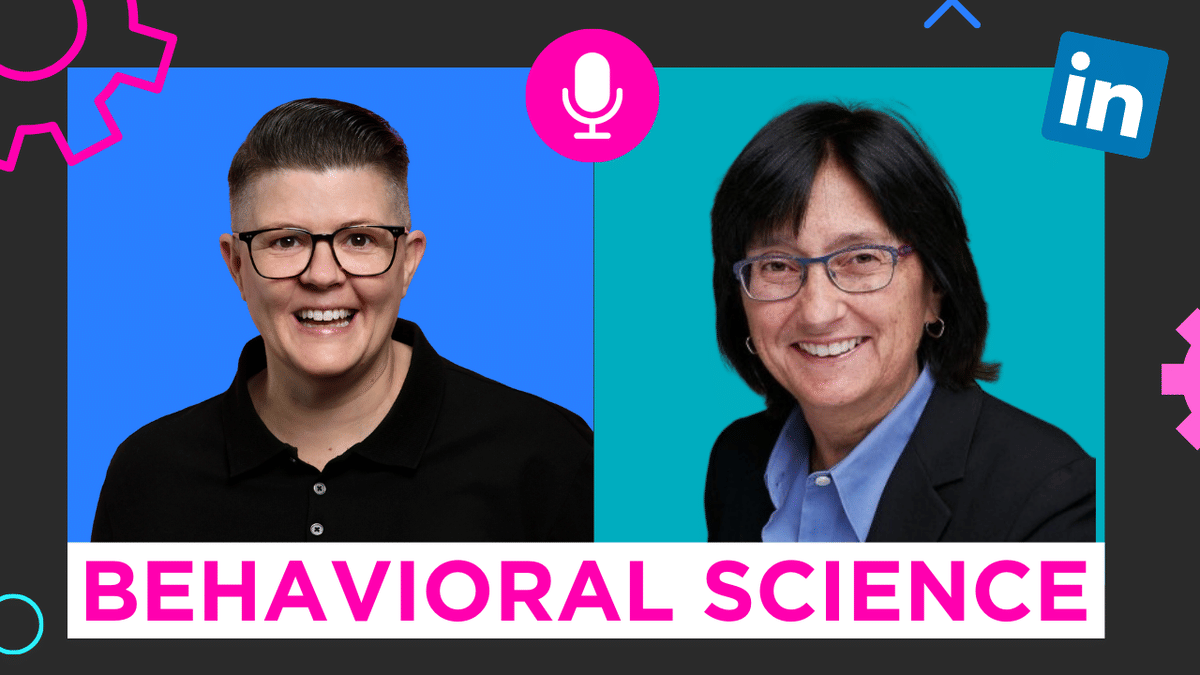
Welcome to another exciting episode of the LinkedIn for B2B Growth Show, where we unravel the secrets of successful marketing strategies. In today's episode, we are privileged to delve into the fascinating world of behavioral science, where we learn about leveraging instinctive responses in marketing strategies to drive customer action and loyalty. Our special guest for today's episode is Nancy Harhut, an acclaimed author and marketing expert in behavioral science.
The Power of Reciprocity
One principle that Nancy discusses is the power of reciprocity in business. This essentially comes down to the phenomenon where we feel obligated to return a favor when someone does something for us. In business, this principle can be leveraged by companies offering value upfront, such as producing useful content or providing assistance even before a purchase has been made. This method increases the likelihood of consumers returning a favor in the form of a purchase or continued business.
Using Social Proof
The influence of social proof on B2B customer decisions is another principle that we delve into in this episode. Nancy explains that when customers are uncertain about a product or service, they often look to others for guidance, especially if they perceive them to be similar to themselves. Therefore, companies can effectively use testimonials, particularly from people who closely resemble their target audience, to build trust and credibility.
The Authority Principle
Our chat with Nancy also covers the significance of authority, which happens to be another potent aspect of behavioral science. Authorities can be outside experts, credible sources, or even companies that position themselves as authorities based on the content they provide. Expert endorsements and testimonials can significantly enhance customer confidence and influence their purchasing decisions.
Choices and Autonomy Bias
In the realm of decision-making in B2B purchasing, the impact of autonomy bias is quite revealing. As humans, we hate being backed into a corner or forced to make decisions. Thus, giving buyers the right amount of choices is crucial. Too many choices can lead to analysis paralysis, while too few can make potential customers feel limited. Nancy suggests sticking to two or three options as the magic number to give potential customers without overwhelming them.
Rhyme-as-Reason Bias
Lastly, we discuss the power of rhyming in the context of content generation for B2B marketing. Interestingly, rhyming phrases are not only more memorable but are also considered more believable due to their simple processing nature.
Indeed, this episode presents a fascinating exploration of behavioral science in the B2B marketing realm. Utilizing these principles can lead to innovative marketing strategies that appeal to your customer's instincts and ultimately boost your business growth. The conversation with Nancy Harhut serves as a refreshing reminder that understanding human behavior is crucial to crafting an effective marketing strategy.
For more insights and unique marketing approaches, tune in to our LinkedIn for B2B Growth Show and don't forget to follow Nancy Harhut for daily tips on leveraging behavioral science in marketing.